
The Science of Touch: Why Your Skin Is Your Largest Pleasure Organ
Touch is one of the first senses we develop.
Long before we understand words, facial expressions or social cues, we understand warmth, closeness and comfort through physical contact.
A reassuring hand on your shoulder, a long hug after a difficult day or the feeling of soft fabric against your skin can all create a surprisingly powerful emotional response.
That is because touch is not simply something your body notices.
It is a complex conversation between your skin, nervous system and brain.
Your skin is often described as the body’s largest organ, and it contains an extraordinary network of sensory receptors that help you detect pressure, temperature, vibration, texture and movement.
Understanding the science of touch can help you become more aware of your body, communicate more confidently and approach intimacy with greater curiosity.
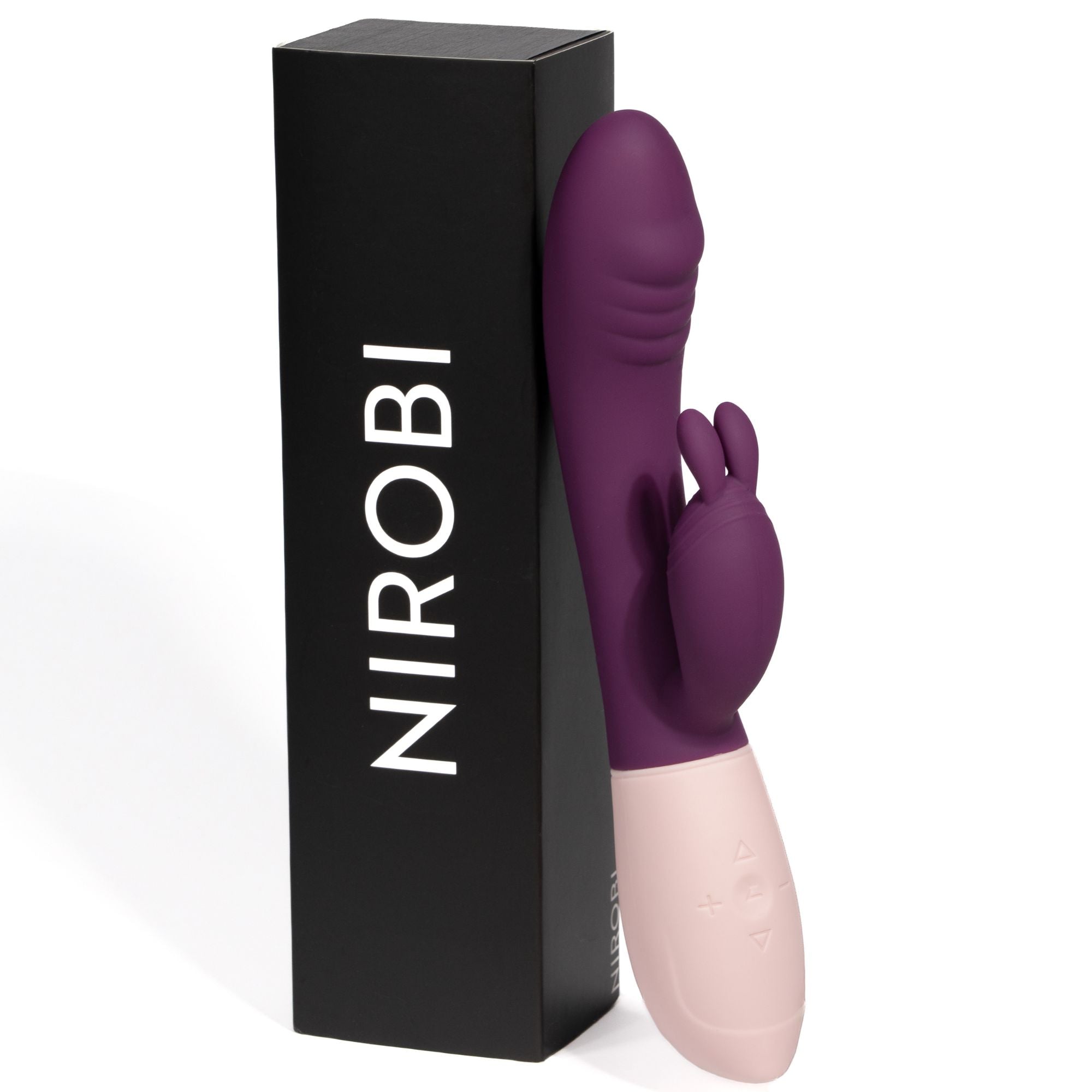
At NIROBI, we believe pleasure-positive wellness begins with understanding your own body.

Why Touch Matters
Touch plays an important role in everyday wellbeing.
It can help us feel:
- Safe
- Comforted
- Connected
- Relaxed
- Grounded
- Reassured
- Emotionally close to others
Touch can also bring attention back to the present moment.
When life feels busy or overwhelming, focusing on physical sensations can help interrupt racing thoughts and encourage you to slow down.
This is one reason mindful touch can become a valuable part of a self-care routine.
Is Skin Really the Body’s Largest Organ?
Skin covers almost every external part of the body and performs several essential functions.
It helps:
- Protect the body from the outside world
- Regulate temperature
- Reduce moisture loss
- Detect physical sensations
- Support immune defence
- Communicate information to the nervous system
The skin is not equally sensitive everywhere.
Some areas contain a much higher concentration of sensory receptors than others, which is why a light touch may feel barely noticeable in one place and incredibly intense in another.
This variation makes touch deeply personal.
What feels relaxing, ticklish, comforting or pleasurable can differ significantly from one person to another.
How Does the Body Detect Touch?
Your skin contains specialised sensory receptors connected to nerve fibres.
These receptors respond to different types of physical stimulation.
Some respond primarily to:
- Light pressure
- Sustained pressure
- Vibration
- Stretching
- Heat
- Cold
- Pain
- Movement across the skin
When one of these receptors is stimulated, it sends an electrical signal through the nervous system.
That signal travels towards the spinal cord and brain, where it is interpreted as a specific sensation.
This entire process happens extremely quickly.
Your brain does not simply register that something touched you. It also considers where the touch happened, how strong it was, whether it was moving and whether it felt safe, neutral or uncomfortable.
Why Some Areas Feel More Sensitive
Sensitivity depends partly on how densely packed sensory receptors are within a particular area of skin.
Areas such as the fingertips and lips tend to be highly sensitive because they contain many receptors and are allocated a large amount of processing space within the brain.
However, physical sensitivity is only part of the story.
Sensation can also be influenced by:
- Mood
- Stress levels
- Fatigue
- Hormonal changes
- Previous experiences
- Emotional connection
- Environment
- Expectations
- Trust
A gentle touch can feel comforting in one situation and irritating in another.
Context matters.
This is why meaningful intimacy is not only about technique. It is also about feeling emotionally safe, relaxed and able to communicate.
The Role of the Brain in Pleasure
Pleasure does not exist solely in the skin.
The skin detects physical stimulation, but the brain interprets it.
The same physical sensation may feel different depending on:
- Who is creating it
- Whether it is expected
- Whether you feel safe
- Your emotional state
- The environment around you
- Your level of comfort
- Whether you are able to relax
This helps explain why anticipation, trust and emotional closeness can make touch feel more powerful.
Your brain combines physical sensation with memory, emotion and expectation to create the overall experience.
Why Slow Touch Can Feel So Powerful
Fast or intense touch is not always more pleasurable.
Slow touch gives your nervous system time to process subtle changes in pressure, temperature and movement.
It may also help you notice areas of the body that are often overlooked.
Slow touch can include:
- Gently tracing the skin
- Light massage
- Running fingertips across the arms
- Brushing hair away from the face
- Holding hands
- Resting a hand on the back
- Applying moisturiser slowly
- Using soft fabrics or textured materials
The aim is not necessarily to create an immediate result.
It is to notice.
This slower approach can remove pressure and make the experience feel more curious, calm and connected.
What Is Mindful Touch?
Mindful touch means paying deliberate attention to physical sensation without rushing or judging the experience.
It is similar to mindfulness meditation, but the focus is placed on the body.
You might notice:
- Warmth
- Pressure
- Softness
- Tingling
- Movement
- Texture
- Breathing
- Changes in muscle tension
Mindful touch can be practised alone or with a partner.
The intention is to stay present rather than thinking about what should happen next.
How to Practise Mindful Touch Alone
Exploring touch alone can help build body awareness and confidence.
You could begin with a simple self-care ritual.
- Choose a quiet, comfortable space
- Remove distractions
- Take a few slow breaths
- Apply moisturiser or body oil
- Notice the temperature and texture
- Explore different levels of pressure
- Pay attention to areas that feel tense or relaxed
- Avoid rushing towards a particular outcome
This does not need to be sexual.
It can simply be a way of reconnecting with your body and understanding what feels calming or enjoyable.
How to Explore Touch With a Partner
Touch can strengthen emotional closeness when it is supported by trust and communication.
Try approaching touch as a shared discovery rather than a performance.
You might:
- Take turns giving a shoulder or hand massage
- Experiment with lighter and firmer pressure
- Ask what feels comfortable
- Notice how different temperatures feel
- Use a soft blanket, feather or fabric
- Slow down when something feels enjoyable
- Stop immediately if either person feels uncomfortable
Consent should always be clear, ongoing and enthusiastic.
A simple question such as “Does this pressure feel good?” can make the experience feel safer and more connected.
Touch and Emotional Connection
Physical affection can help people feel cared for and emotionally close.
Everyday forms of touch may include:
- Hugging
- Holding hands
- Sitting close together
- Resting your head on someone’s shoulder
- Touching an arm during conversation
- Cuddling
- Giving a massage
These moments may seem small, but they can reinforce feelings of warmth, trust and reassurance.
For many couples, emotional intimacy begins in these everyday moments rather than in the bedroom.
How Stress Changes the Experience of Touch
Stress can make the body feel tense, distracted or overstimulated.
When your nervous system is already under pressure, certain forms of touch may feel less welcome than usual.
You may notice:
- Increased sensitivity
- Reduced interest in affection
- Difficulty relaxing
- Muscle tension
- Feeling mentally distracted
- A stronger need for personal space
This does not necessarily mean something is wrong with your relationship.
It may simply mean your body needs rest, reassurance or a different form of connection.
Communication is especially important during stressful periods.
Why Consent Makes Touch Feel Safer
Consent is fundamental to positive touch.
Even affectionate touch should respect personal boundaries.
People have different comfort levels, and those comfort levels can change depending on mood, health, stress and circumstances.
Healthy communication can include:
- Asking before trying something new
- Checking in during the experience
- Listening to verbal and non-verbal cues
- Respecting hesitation
- Accepting “no” without pressure
- Understanding that consent can be withdrawn at any time
Feeling in control of your own body helps create trust.
Trust, in turn, can make it easier to relax and enjoy physical closeness.
The Importance of Texture
Texture can transform the experience of touch.
The nervous system responds differently to smooth, soft, firm, cool or textured surfaces.
You might experiment with:
- Silk
- Cotton
- Faux fur
- Warm towels
- Cool metal
- Soft silicone
- Massage oils
- Water
- Feather-light touch
The goal is to learn what your body enjoys rather than assuming that one sensation works for everyone.
Temperature and Sensation
Temperature can also influence how touch feels.
Warmth is often associated with relaxation and comfort, while cooler sensations may feel refreshing or stimulating.
Safe ways to explore temperature include:
- A warm bath
- Heated towels
- Cool bedding
- Warm massage oil
- A chilled face roller used on suitable areas
- Alternating warm and cool fabrics
Avoid extreme temperatures and always test heated or cooled items carefully before applying them to sensitive skin.
Pressure, Movement and Rhythm
Pleasurable touch is shaped by more than location.
Pressure, speed and rhythm also affect the experience.
A person may prefer:
- Very light pressure
- Firm, steady pressure
- Slow circular movement
- Gentle tapping
- Repeated rhythm
- Long, sweeping strokes
- Stillness and sustained contact
Preferences may also change from one day to the next.
Curiosity and communication are more useful than trying to find one perfect technique.
How Touch Can Support Body Confidence
Many people experience periods of feeling disconnected from their bodies.
Stress, ageing, illness, parenthood, body changes and social pressure can all influence body confidence.
Mindful touch can support a more compassionate relationship with the body.
It can encourage you to focus on:
- What your body feels
- What helps you relax
- What brings comfort
- What creates pleasure
- What boundaries matter to you
- What makes you feel present
Body confidence does not require loving every part of yourself every day.
Sometimes it simply means treating your body with patience, respect and curiosity.
Touch as Part of a Wellness Routine
Touch can fit naturally into everyday self-care.
You might include:
- A relaxing evening bath
- Applying body lotion slowly
- A scalp massage
- Stretching after work
- A hand massage
- Cuddling beneath a blanket
- A screen-free massage evening with a partner
- Exploring sensory wellness products
These rituals can help create a transition between the demands of the day and a calmer evening.
Choosing Body-Safe Products
When introducing products into sensory or intimate wellness, material quality matters.
Look for products that provide clear information about:
- Materials
- Cleaning instructions
- Waterproof ratings
- Storage recommendations
- Product dimensions
- Lubricant compatibility
- Warranty or guarantee
High-quality silicone is popular because it is soft, durable and generally easy to maintain when cleaned correctly.
For most silicone products, a water-based lubricant is often the safest compatible option, although you should always follow the manufacturer’s guidance.
Common Mistakes When Exploring Touch
Touch should never feel like a test or performance.
Common mistakes include:
- Rushing
- Using too much pressure too quickly
- Assuming everyone likes the same sensation
- Ignoring verbal or non-verbal feedback
- Focusing only on traditionally intimate areas
- Treating pleasure as the only acceptable outcome
- Continuing when something feels uncomfortable
The most rewarding experiences often come from slowing down and remaining open to feedback.
Frequently Asked Questions
Why does light touch feel stronger in some areas?
Some parts of the body contain a greater concentration of sensory receptors. The brain also dedicates more processing power to certain sensitive areas, making light touch easier to detect.
Can stress make me less comfortable with touch?
Yes. Stress can increase tension, fatigue and sensory sensitivity. During stressful periods, you may prefer gentler touch, shorter moments of affection or more personal space.
Is touch important in relationships?
Touch can support closeness, affection and reassurance, but every relationship is different. Communication helps couples understand which forms of touch feel welcome and meaningful.
Can mindful touch improve body confidence?
Mindful touch may help you reconnect with physical sensations and approach your body with more patience and curiosity. It is not a quick solution, but it can become a supportive self-care practice.
Does pleasurable touch always need to be intimate?
No. Pleasurable touch can include massage, warm baths, soft fabrics, hugs, skincare rituals and many other forms of sensory comfort.
Why NIROBI Believes Touch Is Part of Wellness
At NIROBI, we believe pleasure is not separate from wellbeing.
It can be part of how people relax, reconnect, explore confidence and understand their bodies.
Touch does not need to be rushed.
It does not need to look a certain way.
It does not need to lead anywhere.
Sometimes the most meaningful experience comes from slowing down, noticing sensation and giving yourself permission to be present.
That is where curiosity becomes confidence.
Final Thoughts
Your skin is constantly gathering information.
It notices warmth, pressure, movement, texture and closeness, then sends those signals to the brain to be interpreted.
This makes touch far more than a physical experience.
It can also be emotional, calming, playful and deeply personal.
By exploring touch slowly and mindfully, you can learn more about your body, communicate more openly and build a stronger sense of connection with yourself and others.
Pleasure is not about following a fixed set of rules.
It is about discovering what feels right for you.