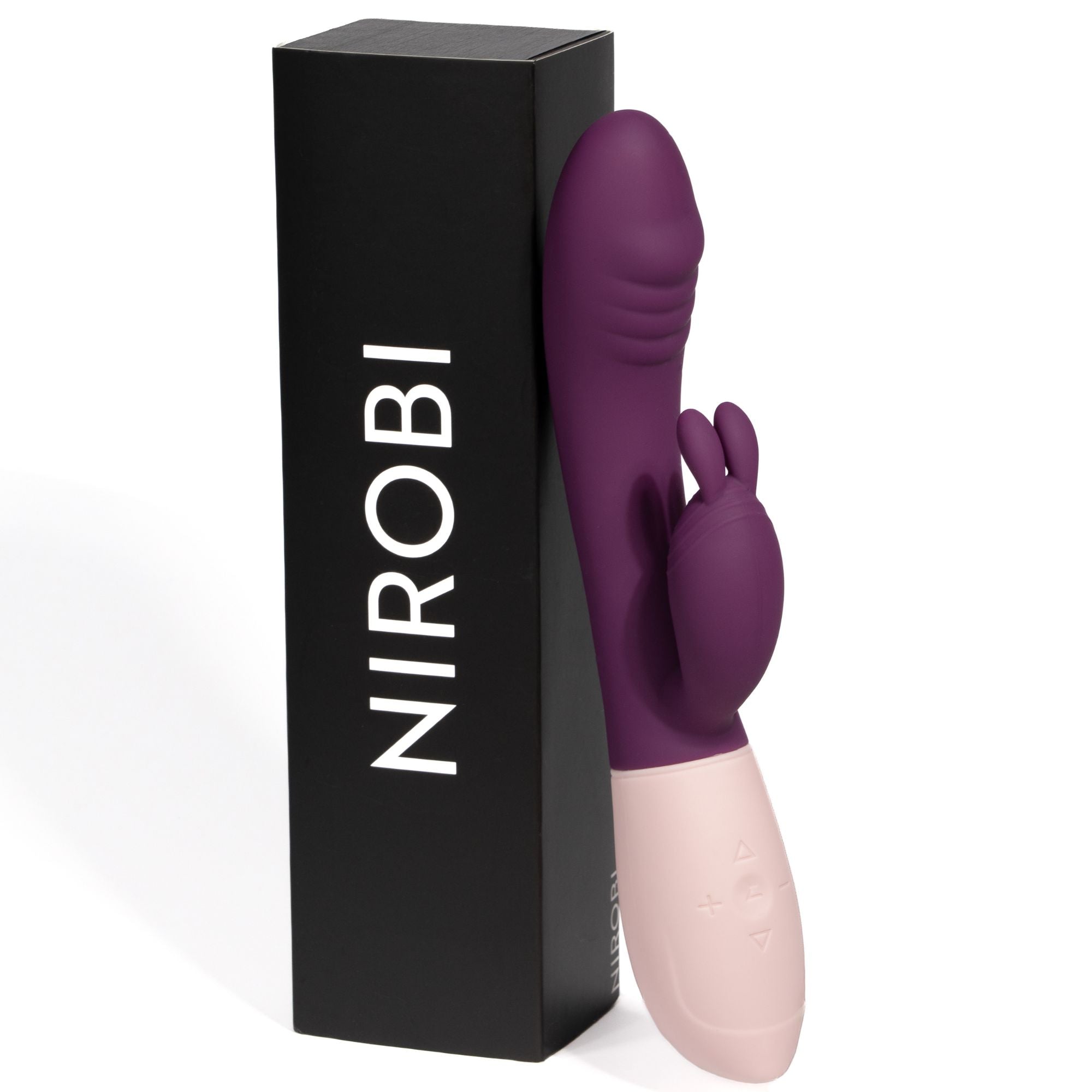


Kit d'entraînement anal – Ensemble d'entraînement pour plug anal débutant (3 tailles en silicone)
Kit d'entraînement débutant-expert pour plug anal avec trois tailles pour une progression douce et sûre.
- 3 Tailles, petite, moyenne et grande
- Pour débutants ou utilisateurs confirmés
- Silicone ultra-doux respectueux du corps


Impossible de charger la disponibilité du ramassage
Description
Description
Prêt(e) à explorer le jeu anal avec confort et confiance ? Notre kit d'entraînement anal pour débutant(e)s est conçu pour vous aider à découvrir de nouvelles sensations à votre propre rythme. Cet ensemble d'entraînement en silicone avec plugs anaux comprend trois tailles graduées, permettant une progression douce et confortable, que vous soyez un(e) novice complet(e) ou que vous cherchiez à renforcer votre confiance.
Fabriqués en silicone sûr pour le corps, chaque plug a une finition douce et lisse qui procure une sensation agréable sur le corps et est facile à insérer avec le bon lubrifiant. La forme effilée et la base évasée offrent à la fois confort et sécurité, rendant cet ensemble idéal pour les débutant(e)s.
Parfait pour l'exploration en solo ou le jeu partagé, cet ensemble de plugs anaux pour débutant(e)s est un moyen simple et sûr de découvrir ce qui vous plaît.
Pourquoi vous allez adorer ce kit d'entraînement anal
• 3 tailles graduées pour une progression confortable
• Silicone sûr pour le corps, doux et agréable au toucher
• Forme adaptée aux débutant(e)s conçue pour une insertion facile
• Base évasée pour un jeu sûr et sécurisé
• Convient à tous les corps et niveaux d'expérience
Comment utiliser votre ensemble d'entraînement avec plugs anaux
Commencez avec le plus petit plug et prenez votre temps. Appliquez une quantité généreuse de lubrifiant à base d'eau et détendez votre corps avant l'insertion. Une fois à l'aise, vous pouvez progressivement passer à la taille supérieure à mesure que votre corps s'habitue à la sensation.
Explorer lentement et écouter votre corps est la clé pour un jeu anal confortable et agréable.
Principales fonctionnalités
Principales fonctionnalités
- Matériau : silicone de qualité supérieure, sans danger pour le corps
- Base : évasée, plate pour la sécurité et le confort
- Étanche : Oui
- Coloris : Noir, Rose, Violet, Bleu, Rouge, Confetti
Tailles de plug
- Petit – 8,25 cm de longueur
- Moyen – 10,16 cm de longueur
- Grand – 12,7 cm de longueur
Détails
Détails
Sûr pour le corps
Bouchons anaux étanches
Tailles : Petit bouchon anal - 8,25 cm, Bouchon anal moyen - 10 cm, Grand bouchon anal - 12,7 cm
Couleurs : Noir, rose, violet, bleu, rouge, confettis
Comment commencer un entraînement anal en toute sécurité
Comment commencer un entraînement anal en toute sécurité
Si vous êtes nouveau dans le monde du plaisir anal, l'utilisation d'un kit d'entraînement anal est l'une des façons les plus confortables de commencer. Les kits d'entraînement permettent à votre corps de s'adapter progressivement à différentes tailles, vous aidant à prendre confiance et à profiter de l'expérience à votre propre rythme.
Commencez par le plus petit plug anal pour débutant du kit et utilisez beaucoup de lubrifiant à base d'eau Nirobi. Prenez votre temps, détendez votre corps et respirez lentement pendant que vous insérez le plug. Une fois que vous vous sentez à l'aise, vous pouvez progressivement passer à la taille supérieure au fur et à mesure que votre corps s'adapte.
Écouter votre corps et progresser lentement est la clé d'une exploration anale confortable et agréable.
Caractéristiques de conception


Which butt plug size is right for you?
Our 3-piece anal training set is designed for smooth, comfortable progression. Start with the smallest plug and move up at your own pace as your body relaxes and your confidence grows.
| Feature | Start Here Small Plug | Medium Plug | Large Plug |
|---|---|---|---|
| Best for | First-time anal play | Building confidence | Deeper fullness |
| Experience level | Beginner | Beginner–Intermediate | Intermediate |
| Insertable length | 3.25" | 4" | 5" |
| Feel | Gentle, easy introduction | Noticeable stretch | Fuller sensation |
| Shape | Tapered tip, flexible neck | Tapered tip, flexible neck | Tapered tip, flexible neck |
| Material | Body-safe silicone | Body-safe silicone | Body-safe silicone |
| Ideal for | Learning & relaxing | Comfortable progression | Training & longer wear |
Small Plug
- Best for First-time anal play
- Experience level Beginner
- Insertable length 3.25"
- Feel Gentle, easy introduction
- Shape Tapered tip, flexible neck
- Material Body-safe silicone
- Ideal for Learning & relaxing
Medium Plug
- Best for Building confidence
- Experience level Beginner–Intermediate
- Insertable length 4"
- Feel Noticeable stretch
- Shape Tapered tip, flexible neck
- Material Body-safe silicone
- Ideal for Comfortable progression
Large Plug
- Best for Deeper fullness
- Experience level Intermediate
- Insertable length 5"
- Feel Fuller sensation
- Shape Tapered tip, flexible neck
- Material Body-safe silicone
- Ideal for Training & longer wear
FAQ sur les formateurs de plug anal
À quoi sert l'ensemble de plugs anaux en silicone Nirobi ?
À quoi sert l'ensemble de plugs anaux en silicone Nirobi ?
Un ensemble de 3 butt plugs pour un jeu anal confortable, un entraînement anal et un étirement anal. Idéal pour les débutants ou les utilisateurs expérimentés à la recherche d'un dilatateur anal progressif ou d'un ensemble de butt plugs.
Cet ensemble de plugs anaux est-il adapté aux débutants ?
Cet ensemble de plugs anaux est-il adapté aux débutants ?
Oui — le petit plug effilé est adapté aux débutants, tandis que les plugs de taille moyenne et grande vous permettent de progresser dans votre entraînement ou étirement anal à votre propre rythme.
Comment utiliser un kit d'entraînement anal en toute sécurité ?
Comment utiliser un kit d'entraînement anal en toute sécurité ?
Utilisez une bonne quantité de lubrifiant à base d'eau, commencez avec le plus petit plug et progressez graduellement. La base évasée maintient chaque plug anal — ou burtt pligs — sûr et sécurisé pendant le jeu.
Comment nettoyer les plugs anaux en silicone ?
Comment nettoyer les plugs anaux en silicone ?
Laver à l'eau tiède et au savon doux ou avec un nettoyant pour jouets. Pour un nettoyage plus en profondeur, faire bouillir brièvement. Ceci s'applique à tous les plugs anaux en silicone, entraîneurs anaux ou écarteurs anaux.
Kit d'entraînement anal
Kit d'entraînement anal
Le kit d'entraînement anal est une introduction parfaite à l'entraînement anal.
Puis-je porter un plug anal pendant les rapports sexuels ?
Puis-je porter un plug anal pendant les rapports sexuels ?
Oui, nombreux sont ceux qui apprécient les plug anaux, plug anaux ou dilatateurs anaux pendant les rapports sexuels, la masturbation ou le port discret. L'ensemble d'entraînement anal en silicone Nirobi est sûr pour le corps et confortable.
Quel est le meilleur ensemble d'écarteurs anaux en silicone pour les débutants ?
Quel est le meilleur ensemble d'écarteurs anaux en silicone pour les débutants ?
Le meilleur ensemble de dilatateurs anaux en silicone pour débutants est celui qui offre trois tailles progressives, une pointe conique lisse pour une insertion facile et un silicone sans danger pour le corps, pour le confort et l'hygiène. Le Nirobi Silicone Butt Plug Set coche toutes ces cases, ce qui en fait un produit idéal pour les premières expériences de jeu anal.
Quel est l'écarteur anal le plus confortable pour une première utilisation ?
Quel est l'écarteur anal le plus confortable pour une première utilisation ?
Un dilatateur anal confortable pour une première utilisation doit être en silicone souple, commencer par une petite taille douce et avoir une base évasée pour la sécurité. L'ensemble Nirobi Anal Trainer offre un moyen facile pour les débutants de s'étirer progressivement sans inconfort.
Articles de blog

Why More Couples Are Scheduling Intimacy (And Why Experts Say It Works)
Why More Couples Are Scheduling Intimacy — and Why It Can Work Scheduling intimacy might not sound particularly romantic. For many people, the idea of putting connection in the calendar feels overly organised, awkward or somehow less genuine than waiting for the perfect spontaneous moment. But modern relationships are busy. Work runs late. Children wake up. Household jobs build up. Phones follow us into the bedroom, and by the time both partners have finished everything that needs doing, one person may be tired while the other is still thinking about tomorrow. Waiting for intimacy to happen spontaneously can mean waiting for a rare moment when time, energy, privacy, desire and emotional connection all appear at once. That is why more couples are choosing to make space for intimacy intentionally. Planning does not mean forcing a particular outcome. It simply means protecting time for closeness before everyday responsibilities fill every available space. Relationship educators and therapists often encourage couples to create time for connection, communicate about their needs and avoid relying entirely on spontaneity. The Gottman Institute, for example, notes that improving sexual intimacy can require planning, while NHS relationship guidance emphasises the importance of communication and maintaining healthy connections. At NIROBI, we believe intimacy should feel supportive, pressure-free and personal to every couple. Scheduling time together can be one way of making that possible. What Does Scheduling Intimacy Mean? Scheduling intimacy means deliberately setting aside time to connect with your partner. That time might involve sexual intimacy, but it does not have to. It could include: - Going to bed earlier together - Having a screen-free evening - Sharing a bath or shower - Giving each other a massage - Cuddling without distractions - Talking about how you have both been feeling - Exploring a new intimate wellness product - Enjoying physical affection without expecting it to lead anywhere - Planning a date away from everyday responsibilities The important part is not what happens during the time. It is that both people have agreed to make space for one another. A scheduled evening should be an invitation to connect, not an appointment that either person is required to complete. Does Planning Intimacy Make It Less Romantic? This is one of the biggest concerns couples have. We are often taught that meaningful intimacy should happen naturally and spontaneously. Films, television and advertising usually show desire appearing instantly. Two people look at one another, the timing is perfect and nothing interrupts them. Real life is rarely that simple. Even supposedly spontaneous moments usually involve some planning. You may arrange childcare, choose what to wear, tidy the bedroom, finish work early or decide not to make other plans. Scheduling intimacy simply makes that preparation more intentional. It does not remove romance. In many cases, it gives romance somewhere to happen. The Gottman Institute has argued that sex is rarely completely spontaneous, particularly in long-term relationships, and notes that some couples find planned time gives them something positive to anticipate. Why Spontaneity Becomes Harder Over Time The early stages of a relationship often feel full of novelty. You are still discovering one another, spending more focused time together and experiencing the excitement of something new. As relationships develop, life becomes more interconnected. Couples may begin managing: - Shared finances - Careers - Children - Household responsibilities - Caring commitments - Health concerns - Social obligations - Different sleep schedules - Different levels of energy - Less privacy None of these things mean the relationship is failing. They simply create more competition for attention. When intimacy is left until everything else is finished, it can repeatedly become the first thing removed from the day. Scheduling helps move connection from the bottom of the list. Why Planning Can Reduce Pressure It may seem as though scheduling intimacy would increase pressure. Done badly, it can. If one person treats the date like a promise that sex must happen, the other person may feel obligated, anxious or unable to change their mind. Healthy scheduling works differently. The agreement is to make time for connection, not to guarantee a specific act. That distinction matters. A flexible plan can remove pressure because neither person has to wonder: - When will we next have time together? - Is tonight a good moment to initiate? - Will my partner feel surprised or unprepared? - Are they too tired? - Will we be interrupted? Planning creates a shared understanding that the time has been protected. What happens within that time can still be decided together. Scheduling Intimacy Is Not the Same as Giving Consent Consent should never be assumed because something appears in the calendar. Agreeing to an intimate evening on Monday does not remove either person’s right to say no on Friday. Consent must remain: - Freely given - Ongoing - Specific - Enthusiastic - Reversible Either partner can change their mind at any point. They may want closeness but not sexual activity. They may prefer a massage, a conversation, a cuddle or simply an early night together. A healthy schedule creates opportunity. It never creates obligation. How Scheduling Can Support Anticipation One possible benefit of planning is anticipation. Knowing that you have protected time together can encourage both partners to mentally shift out of everyday routines. Anticipation might begin earlier in the day through: - A thoughtful message - A compliment - Choosing something to wear - Preparing the bedroom - Running a bath - Creating a shared playlist - Discussing what you might enjoy - Thinking about what helps you feel relaxed The experience does not need to begin when the bedroom door closes. Emotional connection can build gradually through the day. For some couples, this gentle sense of looking forward to something together can feel more exciting than waiting for an unpredictable opportunity. Why Desire Does Not Always Appear First Many people assume desire must arrive before intimacy begins. However, desire does not always work that way. Some people experience spontaneous desire, where interest appears seemingly without prompting. Others may experience more responsive desire, where interest begins after emotional closeness, affectionate touch, relaxation or stimulation has already started. This means a person may not feel immediately in the mood at the start of an evening but may become interested once they feel relaxed and connected. That does not mean anyone should continue when they do not want to. It simply means that not everyone experiences desire in the same order. Making time for pressure-free connection can give responsive desire room to develop naturally. How Scheduling Can Help With Mismatched Desire It is common for partners to have different levels of desire. One person may want intimacy more frequently, while the other needs more time, rest or emotional connection before becoming interested. These differences can create a difficult cycle. The partner with higher desire may feel rejected. The partner with lower desire may feel pressured. Eventually, one person may stop initiating while the other begins avoiding affection because they worry it will create expectations. Scheduling can sometimes make this easier by creating clearer boundaries. For example, a couple might agree that: - Affection outside the planned time does not automatically need to lead to sex - Scheduled time is for connection, not guaranteed sexual activity - Both partners can suggest what would feel comfortable - Either person can change the plan without blame - The couple will regularly discuss whether the arrangement still works Desire discrepancies are commonly addressed in couples and sex therapy, and professional guidance frequently focuses on communication rather than treating either person as the problem. Why Communication Matters Before the Calendar Scheduling will not solve intimacy difficulties if a couple cannot safely discuss what they want. Before choosing a date, it can help to talk about what intimacy means to each of you. You might ask: - What helps you feel connected? - What usually makes it difficult to relax? - What type of affection would you like more often? - Is there anything that currently feels pressured? - What would make planned time feel enjoyable? - How much notice would help you feel comfortable? - Would you prefer evenings, mornings or weekends? - What would make it easier to be present? The conversation should not focus on proving who is right. It should help both people feel understood. Research-based relationship guidance regularly highlights open conversations about sexual preferences and intimacy as an important part of building safety and satisfaction. How to Start Scheduling Intimacy Without Making It Awkward The first conversation does not need to be formal. You could say: “I miss having uninterrupted time together. Could we choose an evening this week just for us?” This centres connection rather than making a demand. From there, decide what feels realistic. Start With Connection, Not Performance Avoid beginning with a fixed expectation about what must happen. Instead, agree that the time is for being together. That might include: - Talking - Cuddling - Massage - Kissing - Exploring touch - Using an intimate wellness product - Sexual intimacy if you both want it This flexibility makes the experience feel safer. Choose a Realistic Time Do not choose the evening when both of you are usually exhausted. Think about when you naturally have more energy and privacy. That might be: - A weekend morning - An afternoon when the children are out - An earlier bedtime - A planned night away - A lunch break when working from home - An evening with household jobs completed beforehand There is no rule that intimacy must happen late at night. Protect the Time Treat your connection time as something valuable. That may mean: - Putting phones away - Finishing work on time - Arranging childcare - Saying no to optional plans - Preparing anything you need in advance - Keeping the room comfortable and private - Avoiding conversations about household problems during that time Protecting the time sends the message that your relationship deserves attention too. Share the Responsibility Planning should not become one partner’s job. Both people can contribute. One person might choose the music while the other prepares the room. One might arrange childcare while the other plans dinner. Shared responsibility helps prevent the evening from feeling like another task placed on one person’s mental load. Leave Space for Choice You do not need to decide every detail in advance. Some couples enjoy choosing from a simple range of possibilities: - A bath together - A massage evening - A date night - Trying something new - Cuddling and talking - Going to bed early The final choice can depend on how both partners feel that day. Build in a Check-In A short check-in can prevent misunderstandings. Try asking: “How are you feeling about tonight?” This gives both people a chance to express excitement, tiredness, nervousness or a change of mind. It also reinforces that the plan is collaborative. What if One Person Cancels? Plans sometimes change. Someone may become ill, exhausted, overwhelmed or simply not feel comfortable. Cancelling once should not be treated as rejection. Responding with guilt, anger or pressure will make future planning feel less safe. A healthier response might be: “Thank you for telling me. Would you like to cuddle instead, or should we choose another day?” However, if planned time is repeatedly cancelled, it may be worth discussing the reasons calmly. Possible causes could include: - The timing is unrealistic - One partner feels too much pressure - There is unresolved conflict - Stress or exhaustion is getting in the way - Pain or discomfort is affecting intimacy - One partner’s needs are not being heard - The relationship needs additional support The aim is to understand the pattern rather than assign blame. How Often Should Couples Schedule Intimacy? There is no correct number. Every couple has different needs, energy levels and responsibilities. Some couples may prefer: - Once a week - Twice a month - One protected evening each month - Flexible time whenever childcare is available - Shorter moments of connection several times a week Frequency matters less than whether the arrangement feels fair and supportive. A schedule should be reviewed rather than treated as a permanent contract. Ask yourselves: - Is this helping us feel closer? - Does the timing still work? - Does either person feel pressured? - Are we both contributing? - Do we need more flexibility? - Are we making room for affection outside the schedule too? Scheduling Intimacy After Having Children Becoming a parent can change almost every part of a relationship. Sleep may be limited, privacy may disappear and one or both partners may feel touched out, physically changed or emotionally overwhelmed. Scheduling can help parents create a realistic opportunity to reconnect, but patience is essential. Connection after children might begin with: - Sitting together after bedtime - Sharing a meal without phones - Arranging childcare for a daytime date - Taking a bath together - Going to bed before completing every household task - Giving one another space to rest - Rebuilding affection gradually Intimacy after childbirth can also be affected by recovery, hormonal changes, feeding, sleep deprivation, pain and body confidence. There should be no pressure to return to sexual activity before both people feel physically and emotionally ready. Scheduling Intimacy During Stressful Periods During busy or difficult periods, planning may need to become gentler rather than disappearing completely. Connection could mean: - A ten-minute cuddle - Holding hands during a walk - Sharing a cup of tea - A back or shoulder massage - Talking without screens - Going to bed at the same time Maintaining small rituals can help couples feel like a team even when they do not have the energy for more. Healthy, supportive relationships can contribute positively to mental wellbeing, while stress can affect connection and desire. When Scheduling May Not Be Enough Scheduling is a practical tool, but it cannot resolve every issue. Additional support may be helpful when intimacy is affected by: - Persistent pain - Significant differences in desire - Anxiety or depression - Relationship conflict - Past trauma - Medication side effects - Hormonal changes - Erectile or arousal difficulties - Fear, coercion or lack of consent - A complete breakdown in communication A GP, qualified relationship counsellor, psychosexual therapist or other appropriate healthcare professional may be able to help. Sex therapy can support people experiencing intimacy concerns, communication problems and sexual difficulties without requiring any physical examination or activity during the session. Common Mistakes to Avoid Scheduling intimacy can be helpful, but only when approached with care. Common mistakes include: - Treating the plan as guaranteed consent - Becoming angry when plans change - Scheduling only late at night when both partners are exhausted - Focusing entirely on intercourse - Ignoring emotional connection - Leaving all planning to one person - Comparing your frequency with other couples - Using the schedule to avoid honest conversations - Assuming one planned evening will solve a long-term problem The aim is not to create a perfect routine. It is to make connection easier to prioritise. Frequently Asked Questions Is scheduled intimacy healthy? It can be healthy when both partners agree freely, communicate openly and understand that the plan does not guarantee sexual activity. The schedule should create space for connection rather than pressure. Does scheduling intimacy ruin spontaneity? Not necessarily. Planned and spontaneous intimacy can exist together. Scheduling protects time for connection while still leaving space for unexpected moments. What if my partner thinks planning feels unromantic? Start by discussing the problem you are trying to solve. Rather than saying, “We need to schedule sex,” try saying, “I would love us to have more uninterrupted time together.” This may feel warmer and less demanding. What if we have different levels of desire? Focus on understanding rather than persuading. Discuss what helps each person feel comfortable, what creates pressure and what types of connection you both enjoy. Professional support may help when the difference causes ongoing distress. Does planned time have to include sex? No. It can include any consensual activity that helps you feel connected, such as cuddling, talking, massage or sharing a bath. Can one person change their mind? Always. Consent can be withdrawn at any time, even when intimacy was previously discussed or scheduled. Why NIROBI Believes Connection Deserves Time At NIROBI, we believe intimacy is part of wellbeing. It is not something couples should have to squeeze into the final exhausted minutes of the day. Making time for connection does not mean your relationship has become boring or unromantic. It means you recognise that closeness needs space. That space can be playful. It can be calm. It can be affectionate. It can involve discovering something new together, or simply lying beside one another without a phone in sight. There is no single correct way to create intimacy. The best routine is the one that helps both people feel comfortable, wanted, respected and heard. Final Thoughts Scheduling intimacy is not about turning your relationship into another task list. It is about protecting time for something that everyday life can easily push aside. For some couples, planning helps reduce uncertainty. For others, it creates anticipation. It may help partners communicate more openly, share responsibility and reconnect without waiting for a perfect spontaneous moment. The most important thing is flexibility. A date in the calendar should never remove choice, consent or compassion. Think of it as opening a door. You are creating the opportunity to slow down, put everything else aside and choose how you would like to connect. Sometimes romance does not disappear because it was planned. Sometimes planning is what allows romance to return.
Apprendre encore plus
Everything You Need to Know About Discreet Delivery in the UK
Learn everything about discreet delivery in the UK, including plain packaging, private shipping, secure payments and how NIROBI protects your privacy from checkout to delivery.
Apprendre encore plus
Nirobi After Dark: Funny Anonymous Sex Confessions Pt. 2
Funny anonymous sex confessions from real people, featuring awkward bedroom moments, toy mishaps, lube chaos and laugh-out-loud pleasure fails.
Apprendre encore plus
Besoin d'un mot de sécurité ou de conseils sur les jouets intimes ? Nous sommes là.
Nous créons des sextoys sans danger pour le corps qui font vraiment leur effet. Conçus pour le plaisir, en solo ou à plusieurs. Vous avez une question ?
Consultez notre FAQ ou Contactez-nous – nous sommes toujours là pour vous aider (sans jugement, jamais).

Livraison au Royaume-Uni et aux États-Unis
Livraison au Royaume-Uni et aux États-Unis
Toutes les commandes au Royaume-Uni sont expédiées depuis notre entrepôt britannique.
- Express : 1 à 3 jours ouvrables (5,99 £)
- Standard : 2 à 4 jours ouvrables (3,99 £)
Toutes les commandes aux États-Unis sont expédiées depuis notre entrepôt américain, il n'y a donc pas de longues attentes à l'étranger.
- International Express : 2 à 5 jours ouvrables (13,99 $)
- International Standard : 3 à 17 jours ouvrables (9,99 $)
Vous recevrez un suivi dès l'expédition de votre commande, afin de pouvoir la suivre à chaque étape. Les délais de livraison peuvent varier légèrement en fonction de votre emplacement, mais nous vous tiendrons toujours informé 💌
Pour tous les détails, consultez notre politique d'expédition.
Expédiez-vous à l'international ?
Expédiez-vous à l'international ?
Les commandes européennes sont expédiées depuis notre entrepôt britannique.
- Standard International : 3 à 17 jours ouvrables (25,00 £)
Veuillez consulter nos politiques d'expédition, car les coûts peuvent varier en fonction de votre emplacement.
Mon jouet est-il emballé ?
Mon jouet est-il emballé ?
Absolument ! Chaque article arrive dans un emballage discret et recyclable — car le plaisir est personnel, et nous le gardons chic (et respectueux de l'environnement).
Quels moyens de paiement acceptez-vous ?
Quels moyens de paiement acceptez-vous ?
Nous acceptons toutes les principales cartes de crédit et de débit, PayPal, Klarna et d'autres options de paiement sécurisé lors du paiement.
Pas de stress, pas de gêne – juste des transactions sûres et fluides pour tous vos achats plaisir.